Call ✆ +91 9809802016 | 9891320678

Fiber ceiling solutions reshape noisy environments into peaceful, productive spaces through exceptional acoustic control. Mineral fiber ceiling tiles deliver NRC ratings up to 0.90 and CAC ratings up to 40. These ratings help absorb and block unwanted sound in settings of all types.
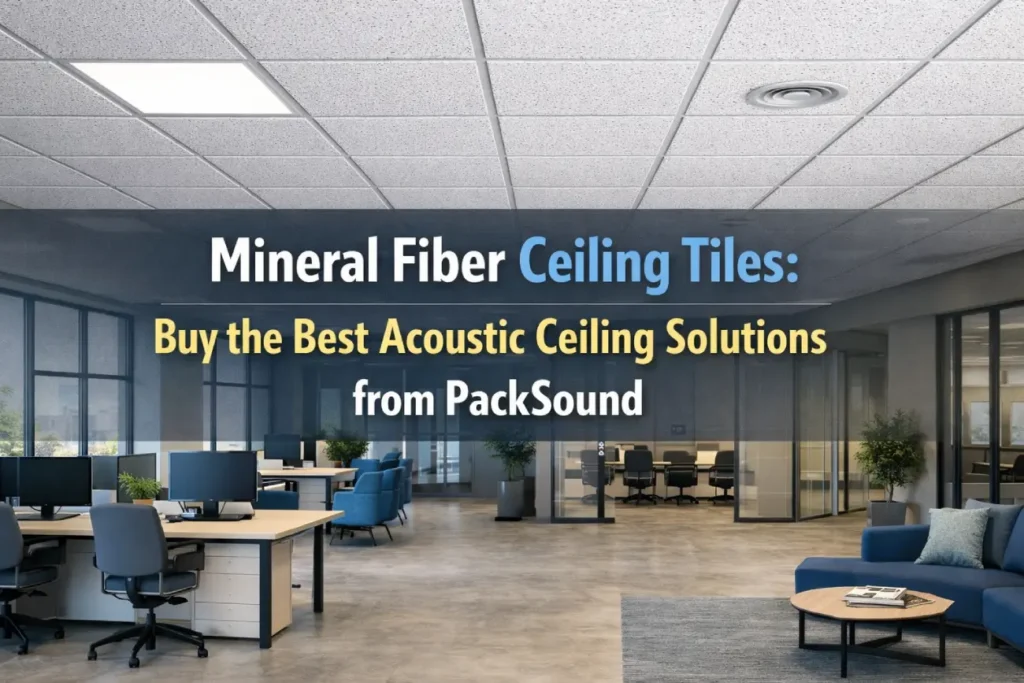
Mineral fibre ceiling tiles excel with their remarkable performance capabilities. Their combination of stain and fire resistance with superior quality makes them a popular choice. On top of that, the tiles’ mineral fiber composition and acoustic foam structure substantially reduce ambient noise in crowded spaces while minimizing echoes. PackSound’s premium mineral fiber ceiling tiles start at just 70.00 INR per square foot. This makes superior acoustics available for offices, healthcare facilities, and educational institutions.
These suspended acoustic ceiling panels deliver consistent performance in laboratories, theaters, fitness areas and hospitals while meeting Class A fire safety requirements. The panels’ lightweight nature and compatibility with standard drop ceiling grid systems make installation easy for contractors and maintenance teams.
The right ceiling choice can transform your space. Fiber acoustic ceilings are better at controlling sound than traditional materials, which explains their popularity in modern buildings.
A fiber acoustic ceiling is a suspended system that absorbs and reduces noise. These ceilings use fibrous materials to trap sound waves instead of bouncing them back into the room. You’ll find two main types: mineral fiber and fiberglass. They work in similar ways but have different compositions and performance features. People often use “fiber ceiling” to describe any ceiling system that uses fiber-based materials to improve room acoustics.
Mineral fiber ceiling tiles combine natural and manufactured materials in a special blend. Here’s what goes into them:
This mix creates thick, heavy tiles that work great at absorbing sound. Manufacturers shape these materials into panels with different densities and textures to match specific needs. These tiles are eco-friendly and contain no asbestos, making them a sustainable choice for construction.
Mineral fiber ceiling tiles stand out when compared to gypsum and PVC options. Their porous, fibrous structure absorbs sound better, while gypsum and PVC just reflect it back. This makes mineral fiber the best choice when you need to control noise.
These tiles don’t handle moisture as well as PVC unless they’re treated specially. Quality manufacturers like PackSound now include humidity-resistant treatments in their products. When it comes to fire safety, mineral fiber tiles are the clear winners. They resist fire better and have non-combustible ratings (Class A).
The looks are different too. Mineral fiber tiles have a textured, fibrous appearance with various edge styles – square, tegular, and concealed. PVC tiles look shinier and more plastic-like, which might not work well in professional settings.
Mineral fiber ceiling tiles work well in many different places. Offices, schools, and hospitals love them because they control sound so well. Conference rooms, auditoriums, and schools use them to keep speech clear and easy to understand.
These tiles help create quieter corporate environments that boost productivity and lower stress. Hospitals use them to protect patient privacy and comfort. Restaurants and shops benefit too – less echo and background noise means happier customers.
While they’re most common in commercial buildings, these ceilings work great in homes too, especially in living rooms, bedrooms, and home offices. They help save energy by spreading natural light better throughout the space.
PackSound’s mineral fiber ceiling solutions combine all these benefits with great looks, making them a solid choice for any interior design project.
Sound quality in a space affects how people work, learn, and talk to each other. A well-designed ceiling system acts as the first line of defense against noise and poor acoustics in buildings.
Two key acoustic measurements matter when looking at mineral fiber ceiling tiles: Noise Reduction Coefficient (NRC) and Ceiling Attenuation Class (CAC).
NRC shows how well a ceiling absorbs sound in a room, with ratings from 0 (total reflection) to 1.00 (complete absorption). Better sound absorption comes with higher NRC values, which cut down echo and reverberation. Most quality mineral fiber ceiling tiles have NRC ratings between 0.70 and 0.95. These work great to control sound reflections in open areas.
CAC measures how well a ceiling blocks sound from moving through the plenum (space above the ceiling) to nearby rooms. Lower performance shows in CAC ratings below 25, while ratings above 35 mean excellent sound-blocking. The best mineral fiber ceiling tiles reach CAC ratings up to 40. These work perfectly in spaces that need privacy like conference rooms or healthcare facilities.
Mineral fiber ceiling tiles work so well because of their unique structure. They mix mineral wool, perlite, and binding agents to create a dense material that both soaks up sound waves and stops them from spreading. The porous structure catches sound waves instead of bouncing them back into the room. This cuts down background noise and makes speech clearer.
Modern offices with open layouts, hard floors, and glass walls need suspended acoustic ceiling panels for noise control. These panels create a solid acoustic barrier that tackles echo throughout the space.
Suspended mineral fiber ceiling systems bring several benefits to offices:
These ceiling tiles handle both sound absorption (reducing echo) and sound blocking (stopping noise between closed spaces). This double benefit helps a lot in office buildings where different activities happen next to each other.
Sound management can get complex, which makes acoustic consultants crucial for ceiling design and setup. These experts help figure out if your ceilings should absorb sound, block noise from nearby rooms, reduce noise from above, or cut down mechanical noise from equipment in the plenum.
Acoustic consultants can:
PackSound includes acoustic consultation when helping you pick ceilings. We don’t just sell products – we look at your space’s specific acoustic challenges and recommend the best mineral fiber ceiling solution with the right NRC and CAC ratings for your needs.
The right mineral fiber ceiling tiles with balanced acoustic properties create spaces that work for both private and group activities. This makes any building more functional and comfortable.
Mineral fiber ceiling solutions work well in many environments where sound control is vital to comfort and functionality. PackSound’s fiber ceiling products deliver specific performance features that each application needs.
Modern workplaces need careful sound management to boost productivity and employee wellbeing. Mineral fiber ceiling tiles create quieter environments in open-plan offices. They absorb constant chatter, keyboard noise, and equipment hums that would otherwise distract workers. Background noise drops substantially with suspended acoustic ceiling panels. This helps employees stay “in the zone” longer, finish tasks quicker, and produce better results.
Corporate settings benefit in several ways:
Premium mineral fiber ceiling tiles with luxury finishes create sophisticated boardrooms and executive spaces without compromising sound quality.
Large spaces like auditoriums need specialized ceiling solutions. High ceilings and large walls can create echoes that affect sound clarity. Sound reflections need careful control to ensure audiences hear every word clearly.
Educational lecture halls work best with mineral fiber ceiling tiles rated NRC≥0.85 to handle specific acoustic challenges. These materials help people hear speeches better in conference rooms while cutting down background noise. This creates the best conditions for both speakers and listeners.
PackSound places acoustic panels expertly along side and back walls. Ceiling clouds or baffles sometimes help with very high ceilings.
Good acoustic ceiling design makes a big difference in educational spaces. Research by the Acoustical Society of America shows students in acoustically treated classrooms scored 25-30 points higher on comprehension tests than those in untreated rooms.
Fiber acoustic ceilings help schools in multiple ways:
PackSound offers custom mineral fiber ceiling solutions for every educational space. These work equally well in quiet libraries and noisy gymnasiums with hard, reflective surfaces.
Sound comfort in healthcare settings directly affects how patients recover and staff perform. Mineral fiber ceiling tiles include antimicrobial properties that make them hygienic and easy to clean. They also control noise in these sensitive environments.
Studies show too much noise in healthcare facilities causes worrying physical responses in patients. These include higher blood pressure, less oxygen in blood, and poor sleep. Rooms with proper acoustic treatment show amazing improvements – patients recover 15% faster and need up to 22% less medication.
Hospital staff benefit from fiber acoustic ceilings too. These create less stressful workspaces that reduce tiredness and burnout. PackSound’s solutions meet specialized healthcare needs while providing essential features like washability, fire safety, and light reflection that help create healing spaces.
The esthetic elements of mineral fiber ceiling tiles are a vital part of interior design, not just their performance specs. These design choices help create spaces that look stunning and work well acoustically.
Your fiber ceiling’s texture affects both its looks and acoustic properties. Here are the texture options you can pick from:
Textured finishes boost sound absorption by adding more surface area. These textures do more than just look good—they make the acoustics better throughout your space. Smooth finishes give you a modern, monolithic look that upscale environments often prefer.
The edge detail of your mineral fiber ceiling tiles makes a big difference in how the ceiling looks:
Square Edge: This creates a traditional grid pattern where tiles sit flush with the suspension system. The clean, simple look works well in formal spaces and lets you access the plenum easily.
Tegular Edge: Beveled edges let tiles sit below the grid. This adds depth and visual interest to your ceiling design.
Concealed Edge: The suspension system stays hidden, which creates a seamless ceiling surface. This works great in premium spaces where you want a monolithic look.
PackSound’s mineral fiber ceiling tile range includes all three edge profiles. You can choose what works best for both looks and function.
White remains the classic choice for mineral fiber ceiling tiles, giving you light reflectance values up to 85%. In spite of that, PackSound gives you more options to match your design vision.
The size options are flexible with standard dimensions including:
You can pick thickness from 12mm to 24mm to balance weight and acoustic needs. PackSound’s products include perforated panels with micro-perforations (0.5-1.2mm) that let sound pass through to the acoustic backing material.
PackSound also offers fabric-wrapped panels in different colors. These panels achieve minimum NRC values of 0.90 and open up endless design possibilities.
The performance of a fiber acoustic ceiling depends on its installation quality. A good setup will maximize acoustic benefits and enhance your space’s visual appeal.
Mineral fiber ceiling tiles combine smoothly with standard T-grid suspension systems. This makes them perfect for new construction and renovation projects. PackSound’s mineral fiber ceiling tiles work perfectly with both T15 and T24 grid systems without modifications. The process starts by securing wall angles at your desired ceiling height. Main runners suspended by galvanized binding wire create the framework with cross tees. This structure creates 600×600mm or 600×1200mm openings where acoustical ceiling panels fit perfectly.
The right anchors and mounting hardware must match the panel’s weight when mounting directly to drywall or concrete ceilings. Z-clips are a great mounting solution that allows panel removal when needed. Your ceiling structure should be level and strong enough to support the tile weight (typically 0.7–1.2 kg/m²) before installation.
You can set up acoustic tiles as a DIY project with simple tools and proper planning. This works well for smaller spaces if you have:
Professional installation makes more sense for large commercial spaces, complex configurations, or installations that need precise acoustic adjustments. Professional teams ensure optimal placement, proper weight distribution, and compliance with building codes. DIY might seem cheaper at first, but professionals complete installations much faster—a 2,000 square feet office takes professionals 2-3 days compared to about a week for first-time DIYers.
Good maintenance will extend your mineral fiber ceiling tiles’ life beyond a decade. Remove dust with a soft brush or vacuum with an upholstery attachment regularly. Clean in one direction to avoid pushing dirt into the tile. Use an ordinary art gum eraser for pencil marks or stubborn spots, followed by a good-grade wall cleaner if needed.
You can clean most mineral fiber ceilings with a damp cloth or sponge and mild soap. Use minimal water and remove soapy residue with a clean, damp cloth. Never soak mineral fiber panels in water or other liquids as this damages their structure and acoustic properties. Check your ceiling twice yearly for cracks, stains, or dislocation to maintain its appearance and performance.
Quality and value are crucial when selecting an acoustic ceiling supplier. PackSound leads mineral fiber ceiling technology with a detailed range of products that meet various requirements.
PackSound’s mineral fiber ceiling collection delivers balanced acoustic performance. The NRC ratings reach 0.90 and CAC values go up to 40. Their product line has specialized options like PerfoAudile™ Soft Fiber Ceiling Tiles. These tiles are engineered from compressed polyester or mineral fiber blends that blend naturally into standard T-grid systems. The tiles are lightweight and durable, and they excel in both sound absorption and thermal insulation.
The collection has various surface finishes including:
Each tile comes with black acoustic fleece backing. This creates an air gap that boosts sound absorption performance.
PackSound’s mineral fiber ceiling range comes at competitive prices:
Projects of all sizes can now access quality acoustic solutions with this pricing structure. These tiles are a great investment that pays off through increased efficiency, better listening experiences, and improved comfort levels.
PackSound’s product philosophy centers on reliability. Most acoustic ceiling solutions have 10-year limited warranties against manufacturing defects. Premium collections often come with extended 30-year warranties that cover specific issues like red rust in suspension systems.
The warranty protection covers these issues:
These tiles keep their structural integrity and acoustic properties throughout their lifespan, whatever the typical environmental factors might be. The warranty doesn’t cover damage from vibrations, fire, water, freezing temperatures, accidents, or extreme conditions. You must report any defects within 30 days of finding them to get warranty coverage.
Mineral fiber ceilings do more than provide simple acoustics – they are environmentally resilient and sustainable. These qualities make them perfect for a variety of spaces with unique needs.
Mineral fiber ceiling tiles work exceptionally well in moisture-prone environments. Leading manufacturers now produce tiles with HumiGuard Plus technology that provides excellent moisture resistance. These tiles stay structurally sound even when humidity reaches 95%. PackSound’s water-resistant mineral fiber ceiling tiles prevent warping and sagging in kitchens, bathrooms, and laundry rooms – a common issue with standard ceiling materials.
Mineral fiber ceiling tiles reflect light remarkably well, with values that exceed 85%. This is a big deal as it means they help cut energy costs. These tiles work like soft mirrors and spread both natural and artificial light throughout the space. The increased brightness means you need fewer light fixtures, which reduces both equipment costs and power consumption.
These ceiling solutions are environmentally responsible. Manufacturers create many mineral fiber ceiling products from recycled materials. The low-VOC formulations create healthier indoor spaces that meet LEED, WELL, and BREEAM certification standards. These eco-friendly materials also help maintain clean indoor air and minimize health risks in enclosed spaces.
Mineral fiber ceiling tiles are perfect for turning noisy, echo-filled spaces into calm and quiet environments. These tiles manage sound brilliantly with NRC ratings up to 0.90 and CAC values reaching 40. They work great in any place where you need to control noise.
PAckSound brings you top-quality mineral fiber ceiling solutions that look great and perform well. Prices start at just 70.00 INR per square foot. The quality speaks for itself through detailed 10-year warranties on most products.
These ceiling tiles deliver excellent acoustic performance in corporate offices, schools, hospitals, and auditoriums. They meet Class A fire safety standards too. You can easily install them with standard drop ceiling grid systems, which saves time and money during setup.
The tiles do more than just control sound. Their light reflectance properties help cut down lighting costs. They’re also eco-friendly since many of them are made from recycled materials and have low VOC emissions.
PAckSound offers many design choices to match your style. You can pick from different textures, edge profiles, and sizes. Your ceiling will look as good as it performs.
These mineral fiber ceiling tiles are a smart investment. They help create spaces where people work better, feel more comfortable, and communicate clearly. When you plan your next construction or renovation project, these versatile acoustic solutions will help you build spaces free from unwanted noise.
Q1. What are the main benefits of mineral fiber ceiling tiles?
Mineral fiber ceiling tiles offer excellent sound absorption, fire resistance, and light reflectance. They can significantly reduce noise levels, improve speech clarity, and contribute to energy efficiency in various spaces.
Q2. How do mineral fiber ceiling tiles compare to other ceiling materials?
Compared to gypsum and PVC, mineral fiber ceiling tiles provide superior sound absorption and fire resistance. They offer better acoustic performance and are more suitable for professional environments due to their textured, fibrous appearance.
Q3. What are the typical applications for mineral fiber ceiling tiles?
These tiles are commonly used in offices, schools, healthcare facilities, auditoriums, and conference halls. They’re particularly valuable in spaces where noise control and speech intelligibility are important.
Q4. How are mineral fiber ceiling tiles installed?
Mineral fiber ceiling tiles are typically installed using a standard T-grid suspension system. They can be easily dropped into place, making them suitable for both new construction and renovation projects. Professional installation is recommended for large or complex spaces.
Q5. Are mineral fiber ceiling tiles environmentally friendly?
Yes, many mineral fiber ceiling tiles are made with recycled materials and have low VOC emissions. They contribute to energy efficiency through high light reflectance and can help projects achieve certifications like LEED, WELL, and BREEAM.