Call ✆ +91 9809802016 | 9891320678

Do noisy rooms bother you? Are you looking for ceiling options that look great and keep you safe? Mineral fiber ceiling tiles might be the perfect solution to your acoustic and fire-safety needs. These versatile tiles provide remarkable sound absorption properties at the time you install them, particularly in speech-critical mid frequencies.
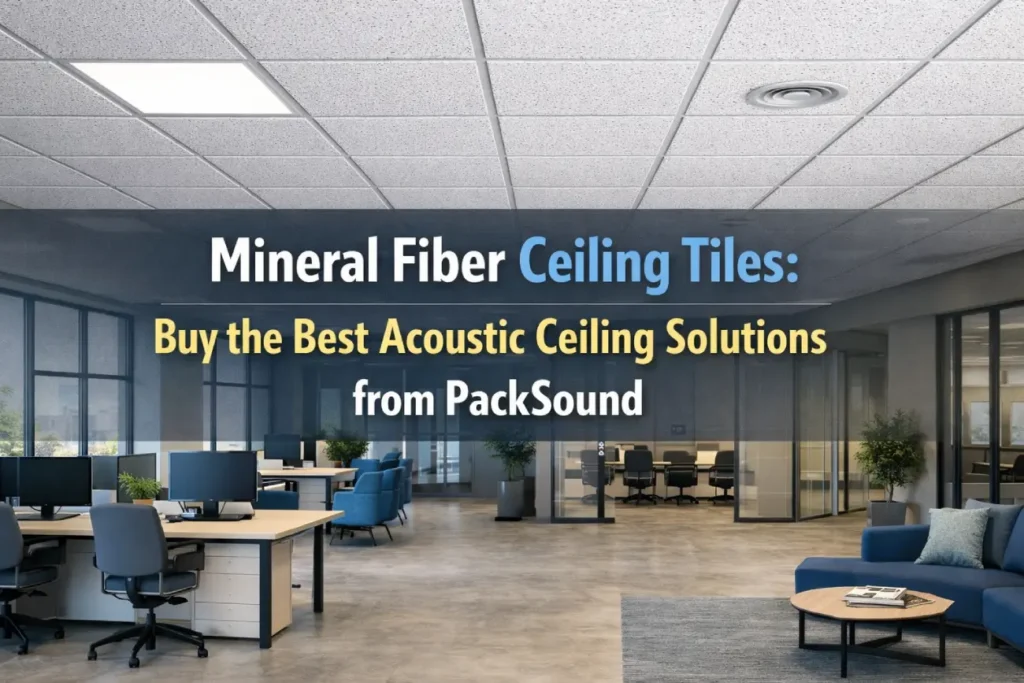
The performance of these ceiling materials stands out with NRC (Noise Reduction Coefficient) ratings from 0.85 for 1-inch thick panels to 1.15 for 2-inch thick options. The fiber ceilings also deliver excellent thermal insulation among other acoustic benefits.
Your office space or home renovation project will benefit from both the functionality and style these tiles bring.
Safety is a vital consideration for any ceiling material. The fabric-wrapped fiberglass panels used indoors are built as Class A fire-rated panels that meet ASTM E84/UL 723 standards.
Their construction features stabilized glass fiberboard laminated with molded glass fiber and covered with a specially crafted fiberglass mat. The materials contain about 35% recycled glass – 9% post-consumer and 26% pre-consumer materials.
The perfect fiber false ceiling design choice depends on understanding your options. In this piece, you’ll find all the essential information about mineral fiber ceiling tiles – from their makeup and acoustic properties to installation methods and costs.
Features :-
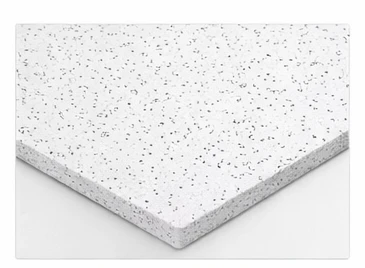
Mineral fiber ceiling tiles combine natural and engineered materials to deliver great performance in spaces of all types. The composition of these tiles will help you make better decisions about your ceiling needs.
These tiles get their well-laid-out structure from a precise mix of key ingredients. Mineral wool fiber sits at the core, coming from natural rock or slag that gives excellent fire resistance and keeps heat in check. This main material works among perlite – a natural volcanic glass that gets bigger with heat and makes tiles lighter without losing strength.
Clay is a vital binding agent and filler that improves structural strength and helps tiles stay intact even with moisture or pressure. Most companies use starch to bind everything together without affecting how well the tiles resist fire. Latex or synthetic resins make the tiles stronger against moisture – this matters a lot in humid spaces.
The manufacturers also add recycled paper pulp as an extra binder that makes tiles more flexible and eco-friendly. Special ingredients like flame retardants, anti-fungal agents, and water repellents keep these ceiling tiles safe and clean throughout their life.
Mineral fiber tiles stand out because they balance all aspects of performance. These tiles are a great way to get acoustic control with NRC ratings up to 0.90 and CAC ratings up to 40. This makes them perfect for quiet spaces like private offices, classrooms, and healthcare facilities.
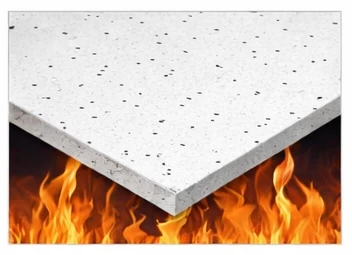
The natural fire-resistant makeup gives these tiles another edge. Non-combustible mineral wool construction makes them excel at fire protection and safety compliance. The tiles meet Class A fire standards while supporting sound control and environmental needs in commercial and institutional buildings.
Compared to PVC gypsum options, mineral fiber tiles weigh less, which makes them easier to install and puts less stress on the building structure. But they’re nowhere near as moisture-resistant unless they have special protective coatings.
You’ll find these tiles in several standard sizes that fit different installation needs. The most common size worldwide is 600×600mm, though some 595×595mm tiles fit perfectly in specific suspension systems. For spaces that need a linear look, 600×1200mm tiles work great.
The thickness options range from 12mm to 20mm based on what you need them to do:
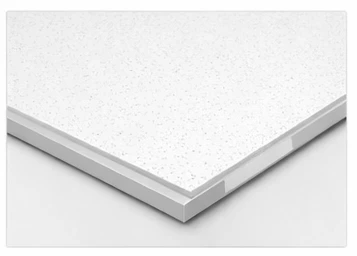
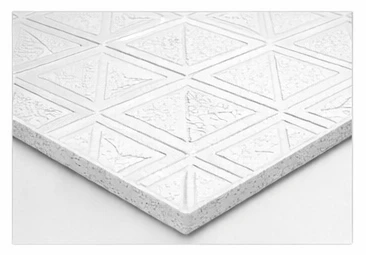
Manufacturers offer these tiles with different edge styles—square, tegular, or concealed—to match various grid systems and design priorities. This flexibility lets you integrate the tiles with your current ceiling setup or new design plans.
PackSound makes high-performance mineral fiber ceiling tiles. These tiles balance acoustic control, fire safety, and energy efficiency at reasonable prices. Their versatile ceiling solutions provide exceptional sound absorption with NRC ratings up to 0.90 and CAC ratings up to 40, making them ideal for spaces that need both sound absorption and blocking capabilities.
PackSound’s ceiling tiles reduce overall reverberation without disrupting daily activities or floor layouts. These tiles play a vital role in larger spaces. They keep sound evenly distributed and controlled, which prevents echo build-up and excessive noise. Sound control isn’t about creating silence—it’s about clarity, comfort, and you retain control over the sound environment.
Safety stands at the heart of PackSound’s design philosophy. Their mineral fiber acoustic panels meet the highest safety standards with Class A fire ratings under ASTM E1264 standards. The tiles keep flame spread ratings below 25 and smoke developed classifications under 450. The products also pass VOC emissions tests and meet strict environmental safety requirements. This makes them perfect for commercial spaces that just need rigorous fire safety compliance.
Environmental responsibility is the life-blood of PackSound’s manufacturing approach. Their panels contain up to 71% recycled content and have low VOC emissions that exceed EU requirements for formaldehyde. These eco-friendly acoustic ceiling panels support environmentally responsible building practices and maintain excellent indoor air quality.
PackSound’s mineral fiber ceiling tiles work well in many settings. They combine smoothly with lighting systems, air conditioning, and fire safety infrastructure while keeping their acoustic performance. Common applications include:
These ceiling tiles offer more than acoustic control through their thermal insulation properties. The mineral wool composition makes them non-combustible, then adds an extra layer of safety to ceiling systems. They can help delay flame spread during fire incidents and contribute to the building’s overall fire safety measures.
PackSound offers their mineral fiber products in various textures, thicknesses, and finishes to customize spaces. Architects and designers can meet both functional requirements and esthetic goals without compromising performance. The tiles work with standard T-grid ceiling systems, which makes installation simple in both new construction and renovation projects.
PackSound’s mineral fiber ceiling tiles offer a balanced solution for spaces where sound quality and safety cannot be compromised. They address acoustic, fire safety, and environmental concerns while staying within reasonable budget constraints.
Mineral fiber ceiling tiles excel in three areas that make them perfect for homes and businesses. These technical features help create comfortable, safe spaces without compromising looks or practicality.
Sound absorption stands out as one of the best features of mineral fiber acoustic ceiling tiles. The Noise Reduction Coefficient (NRC) shows how well a material soaks up sound – higher numbers mean better performance. Different brands and product lines achieve NRC ratings from 0.50 to 0.90. The best options can reach NRC values of 0.86, which makes them perfect for quiet spaces.
These tiles work so well because of their porous surface structure. Sound waves hit the tile surface and move into the material where they turn into tiny amounts of heat through friction. This process helps cut down background noise and reduces echoes in big or busy rooms.
When you need to both absorb and block sound, these tiles give you Sound Transmission Class (STC) ratings around 25 dB. This makes them a great fit for:
Fire safety is a vital part of modern construction, especially in commercial, institutional, and public buildings. Mineral fiber ceiling tiles shine here because they don’t burn. Most products earn Class A fire ratings under ASTM E84 standards – the highest safety rating possible.
These tiles not only resist fire but help stop it from spreading through ceilings and roof spaces. During a fire, they work as barriers that slow down temperature increases and buy precious time for evacuation and emergency response. The materials that help resist fire include:
Quality manufacturers test their products against tough international standards. These certifications usually include EN 13501-1, ASTM E84, and BS-476-4:1970. Diamond brand mineral fiber ceiling tiles meet BS-476 Fire Rating standards, which gives extra security in areas prone to fires.
Beyond sound and safety benefits, these tiles are great at keeping heat where it belongs. They reduce heat transfer between spaces, which helps maintain steady indoor temperatures and can lower energy bills. Thermal conductivity values usually fall between 0.055 W/m.K and 0.58 W/m·K – lower numbers mean better insulation.
This insulation works especially well in buildings with big temperature differences between floors or between inside and outside spaces. The thermal benefits show up in several ways:
Top-quality mineral fiber ceiling tiles bring together all three performance features – great acoustics, fire safety, and thermal efficiency. When you’re picking tiles for your space, focusing on these technical properties will help you find options that work better than just looking good.
The choice between mineral fiber and fiberglass ceiling tiles depends on their basic differences and performance in various settings. These materials serve the same purpose but excel in different ways based on your needs.
Mineral fiber tiles are made from natural or recycled materials like mineral wool (from rock or slag), clay, perlite, and starch. Manufacturers heat and melt rock materials, spin them into fibers, and form them into sheets. Fiberglass ceiling tiles contain glass fibers bonded with resins that create a lightweight, semi-rigid structure.
The physical traits of these materials are different from each other. Mineral fiber tiles have higher density and feel like a “solid mattress” when touched. Fiberglass tiles weigh 30-40% less than mineral fiber products – about 2.5kg/sqm compared to mineral fiber’s 4kg/sqm.
Each material shines in specific settings:
Mineral fiber ceiling tiles last about 15 years while fiberglass lasts 10-12 years. Mineral fiber holds up better under mechanical stress. Fiberglass needs protective coatings to prevent surface damage.
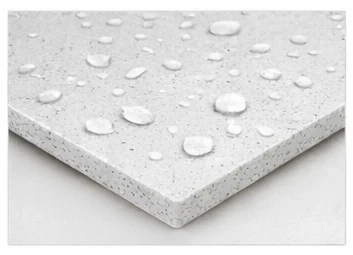
Moisture resistance sets these materials apart. Fiberglass resists mold in environments above 70% RH. Mineral fiber tiles can sag or discolor in humid conditions without special protective treatments.
Mineral wool creates more dust and releases particles into the air. Fiberglass stays cleaner, though both materials need specific maintenance based on their makeup and use.
The price range for mineral fiber ceiling tiles runs from INR 84.38 to INR 253.14 per square foot. Fiberglass panels cost between INR 84.38 and INR 295.33 per square foot, with some sources showing prices from INR 168.76 to INR 337.52.
Mineral fiber proves more cost-effective in high-traffic areas due to its longer lifespan, despite higher original costs.
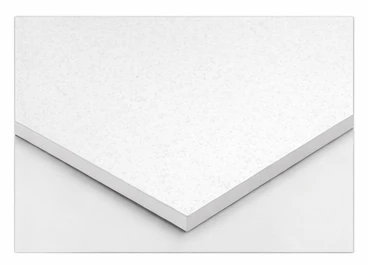
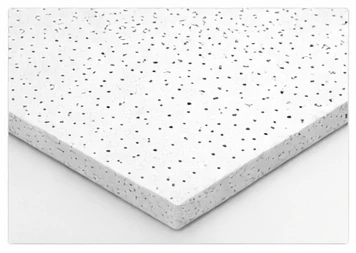
Mineral fiber tiles showcase a refined, textured finish with various patterns. They create a clean, professional look perfect for offices, schools, and functional spaces. Fiberglass panels offer smoother, monolithic finishes with more color options. These panels deliver high performance while maintaining a modern esthetic.
The acoustic performance varies between these materials. Mineral fiber reduces noise better (NRC 0.55-0.95) through its open-cell structure. This makes it ideal for echo-prone spaces. Fiberglass provides good sound dampening with NRC ratings of 0.35-0.75 for standard applications. Some high-end fiberglass products can reach NRC ratings up to 1.0.
Mineral fiber ceiling tiles shine in places where good acoustics and safety needs meet design requirements. These adaptable panels work well in many settings, and each space gets unique benefits from their features.
Open-plan offices get huge benefits from mineral fiber ceiling tiles that cut down background noise and make speech clearer. These tiles create quiet workspaces in busy corporate settings and help people work better by reducing noise distractions. The acoustic properties make conference room presentations clear without any echo problems.
The high-performance tiles block and absorb sound – you need these features in open offices where private talks happen often. They’re fire-resistant too, which adds safety to commercial buildings where protecting people comes first. Some designs resist 99% humidity and reflect 88% of light, which makes work areas brighter and more pleasant.
Schools are perfect places to use mineral fiber acoustic tiles. Better speech intelligibility makes learning easier in classrooms, libraries, and lecture halls. The best panels have NRC ratings up to 0.85, which helps keep sound clear in places where teaching happens.
Schools usually pick tiles that fight germs, resist impact, and last longer because that’s what educational spaces need. Products like SLD AcousticPro 500 have great NRC ratings of 0.85, which creates the best conditions for teaching and learning. The tiles also work well in cafeterias, sports halls, and corridors where you need both noise control and easy maintenance.
Recording studios and theaters need top-notch acoustics, and mineral fiber ceiling tiles fit perfectly. Black fiber ceiling tiles with high NRC ratings work great in recording studios and mixing rooms because they cut echo and create clean sound spaces. Theaters sound better because these tiles reduce unwanted sound reflections.
Home theaters and music rooms can get professional-level sound absorption without major construction changes. More podcast rooms now use mineral fiber acoustic panels to get studio-quality sound at home. Broadcasting facilities often choose premium mineral fiber options that have NRC ratings above 0.90 and special bass reduction features.
Hotel lobbies, restaurants, and public areas face unique sound challenges that these tiles solve well. They make busy spaces more comfortable for guests and staff by keeping noise down. Restaurant tiles often come with grease-resistant coatings that look good and serve a practical purpose.
Churches and worship spaces get balanced acoustics that keep speech clear while making music sound better. Meeting and event spaces in hotels sound better, which helps people follow presentations and speeches. These tiles come in many styles that match interior designs while still working great.
A proper installation of mineral fiber ceiling tiles will give you the best acoustic and fire safety benefits. These lightweight, versatile panels work well with different mounting options and suit both commercial and residential spaces.
Suspended grid systems, also known as T-bar or drop ceilings, work best with mineral fiber ceiling tiles. The standard setup uses a framework of metal “T” sections that create a grid where tiles fit perfectly. This system produces a 2-foot × 2-foot pattern that holds panels securely.
Installation teams find these tiles easy to handle due to their lightweight nature. The system lets you add recessed lighting, ventilation, sprinkler heads, and audiovisual equipment right into the grid. You can easily access the space above the ceiling later for maintenance or changes.
Most people use these tiles in suspended framework systems on ceilings. Wall installations need specialized clips or adhesives based on the desired finish.
The Easy Up track system works well for direct ceiling installation. You’ll need to run tracks perpendicular to ceiling joists, usually 12 inches apart, to create a framework for the panels.
Mineral fiber ceiling tiles are easier to handle than other ceiling materials if you want to do it yourself. Here’s what you need to do:
Professionals usually achieve more precise results, especially in complex spaces with odd dimensions or many obstacles. However, if you have simple tools and basic skills, you can replace tiles yourself by following the manufacturer’s guidelines carefully.
The right installation approach will make your mineral fiber ceiling system look great and sound perfect acoustic performance.
A good understanding of mineral fiber ceiling tile pricing among different brands helps you make budget-friendly decisions. The market provides options that match various budgets and performance needs.
Quality, thickness, and manufacturer determine mineral fiber ceiling tile prices. Simple options begin at Rs 27-28 per square foot. Premium varieties from brands like Armstrong with 16mm thickness can cost up to Rs 310 per piece. Standard 12mm tiles cost between Rs 80-110 per square foot. The tile’s thickness plays a key role in its price. Thicker 15-16mm tiles with enhanced acoustic performance usually cost Rs 130-140 per square foot.
You need basic math to calculate ceiling tile requirements and avoid waste. The process starts with measuring your ceiling’s length and width in feet to find total square footage. Let’s say your ceiling spans 144 sq ft and each tile covers 2.66 sq ft. Divide 144 by 2.66 to get 55 tiles. Add 15% extra for cuts and waste, which brings the total to 64 tiles.
Many manufacturers provide free online ceiling calculators that make precise calculations easy. These tools determine exact quantities based on your room’s dimensions and tile specifications. The process is straightforward – enter your ceiling area in square meters, pick your grid module size (usually 600×600mm or 1200×600mm), and select your tile type.
Armstrong leads the mineral fiber ceiling tile industry with innovative designs and quality products. Jitex creates economical options that feature NRC ratings of 0.60, perfect for commercial spaces. RK Ceilings’ products range from Rs 115-125 per piece. The market also includes other notable manufacturers like Gyproc, Kente, and USG.
The Installation of Packsound fiberglass panels and mineral fiber acoustic panels products are beyond the simple and cheap do-it-yourself panels found on the market today. We start with only the highest quality materials that will not sag or leak over time; then, we build each acoustic panel by hand. Unlike other companies that use inexpensive advertising inexpensive materials, Packsound crafts our acoustic panels and high-quality absorption boards such as Bass Trap, sound-absorbing panels such as fabrics, and hardwood plywood for home or commercial applications are ideal. We begin with absorbent insulation material intended for the room’s acoustics and meticulously selected hardwood plywood to build our frame.
The Packsound difference and first advantage is dimensional stability in craftsmanship and the highest performance acoustic treatment for available sound absorption.


Mineral fiber ceiling tiles are designed with excellent fire resistance properties. Most products achieve Class A fire ratings under ASTM E84 standards, which is the highest possible safety classification. They not only resist flames but also help prevent fire spread through ceilings and roof voids, providing valuable time for evacuation in case of emergencies.
Mineral fiber ceiling tiles excel in acoustic performance due to their porous surface structure. They offer impressive Noise Reduction Coefficient (NRC) ratings ranging from 0.50 to 0.90, effectively absorbing sound and minimizing echoes. This makes them ideal for noise-sensitive environments like offices, classrooms, and healthcare facilities where clear communication is essential.
Mineral fiber ceiling tiles generally offer superior durability compared to fiberglass options. They typically have a longer service life of about 15 years, versus 10-12 years for fiberglass tiles. Mineral fiber tiles also maintain better structural integrity under mechanical stress, making them more suitable for high-traffic areas and long-term installations.
While mineral fiber ceiling tiles can be used in various environments, they may not be the best choice for areas with extremely high humidity unless specially treated. In high-moisture conditions, untreated mineral fiber tiles can potentially sag or become discolored. For such environments, it’s important to choose tiles with specific moisture-resistant properties or consider alternative materials like fiberglass.
The cost of mineral fiber ceiling tiles varies based on quality, thickness, and manufacturer. Basic options start at around Rs 27-28 per square foot, while premium varieties can reach up to Rs 310 per piece for high-end brands. Most standard 12mm tiles range between Rs 80-110 per square foot, with thicker 15-16mm tiles offering better acoustic performance typically priced at Rs 130-140 per square foot.
A. With proper maintenance and care, fiberglass and mineral fiber panels can last for many years. However, their lifespan may vary depending on factors such as environmental conditions and the quality of installation.
A. Yes, fiberglass and mineral fiber panels can be combined with other acoustic treatments, such as diffusers and bass traps, to achieve comprehensive sound control and optimize acoustic performance.
A. While professional installation is recommended for optimal results, fiberglass, and mineral fiber panels can be installed by skilled individuals familiar with the installation process and safety guidelines.
These panels are not only functional but also visually appealing. The design and texture of the panels add a touch of elegance to my office. They blend well with the existing decor and do not look out of place. The range of color options available allowed me to select a shade that perfectly matched my interior design.
Ashwika Bhattacharya
In terms of acoustic performance, these panels have made a noticeable difference. They effectively absorb sound reflections, making the room much more pleasant for conversations and media consumption. The echo and reverberations have been significantly reduced, resulting in a more comfortable and enjoyable living space.
Arnav Patel
I appreciate the fact that these panels are made from fiberglass mineral, as it is a sustainable and environmentally friendly material. Knowing that I have chosen an eco-conscious option gives me peace of mind.
Sanya Verma