Call ✆ +91 9809802016 | 9891320678

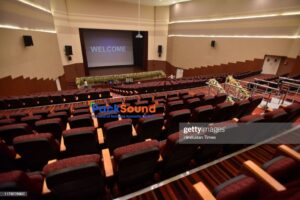
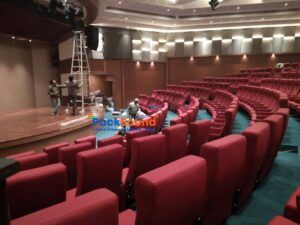
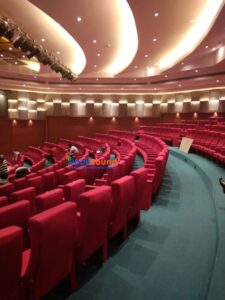
Have you ever strained to hear a speaker in a poorly designed space? Auditorium acoustic panels can reshape the scene by turning an echoing hall into a crystal-clear sound environment. Auditorium acoustics has one main goal – sound must reach every listener with clarity, intelligibility, and desired tonal qualities. Quality panels reduce noise levels by up to 30.8 decibels and create a much quieter space.
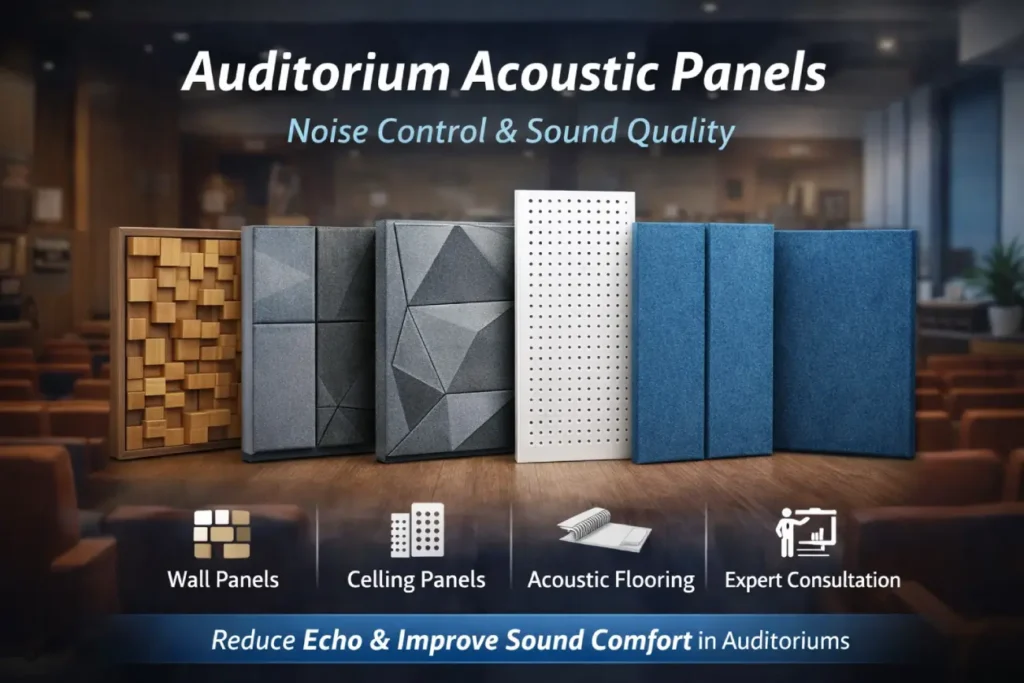
Sound bounces off hard surfaces in an auditorium and creates echo and reverberation that hurts speech clarity. Musical performances benefit from some reverberation, but most auditoriums need reverberation time between 1.5 to 2.5 seconds. Even the most powerful sound system fails to deliver your message effectively without proper acoustic treatment. The acoustic design of auditorium spaces must deliver exceptional sound quality to every person, whatever their seat location.
Quality acoustic panels for auditorium spaces aren’t just a luxury—they’re essential to create an environment where everyone appreciates every word and note during conferences, lectures, musical performances, or theatrical productions.
PackSound creates specialized auditorium acoustic panels that blend superior sound control with visual appeal. Their product line has solutions to handle acoustics in auditorium challenges through smart wall and ceiling designs.
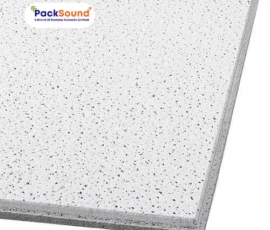
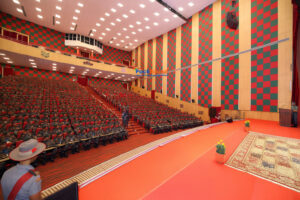
Lightweight acoustic ceiling tile with high NRC for auditoriums, reducing echo and reverberation.
Enquire Now
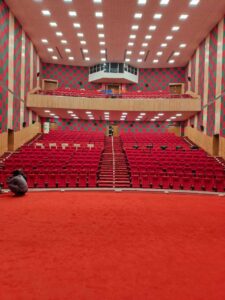
Premium wall panel wrapped in fabric to enhance sound absorption and clarity in large spaces.
Enquire Now
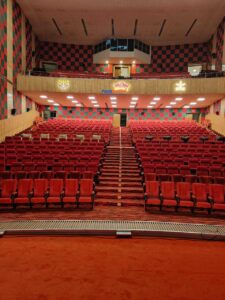
Designer 3D wall panels combining aesthetics and superior acoustic performance.
Enquire Now
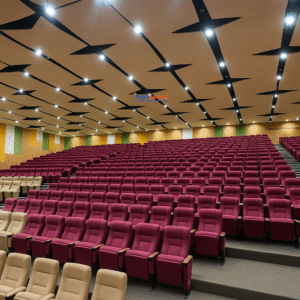
Suspended ceiling clouds to absorb sound and enhance visual design in auditoriums.
Enquire Now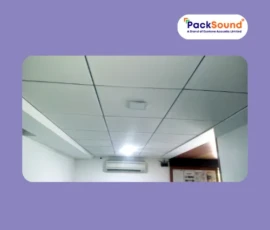
High NRC ceiling panels with micro-perforated design for excellent sound absorption.
Enquire Now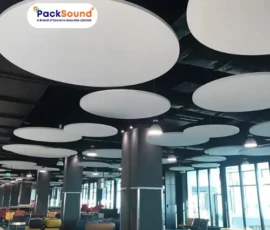
Moisture-resistant, lightweight ceiling tiles that control reverberation in large halls.
Enquire Now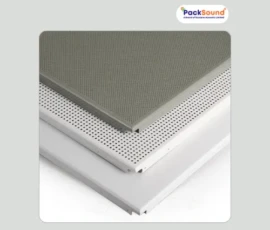
Durable metal acoustic ceiling panels combining aesthetics and high sound absorption.
Enquire Now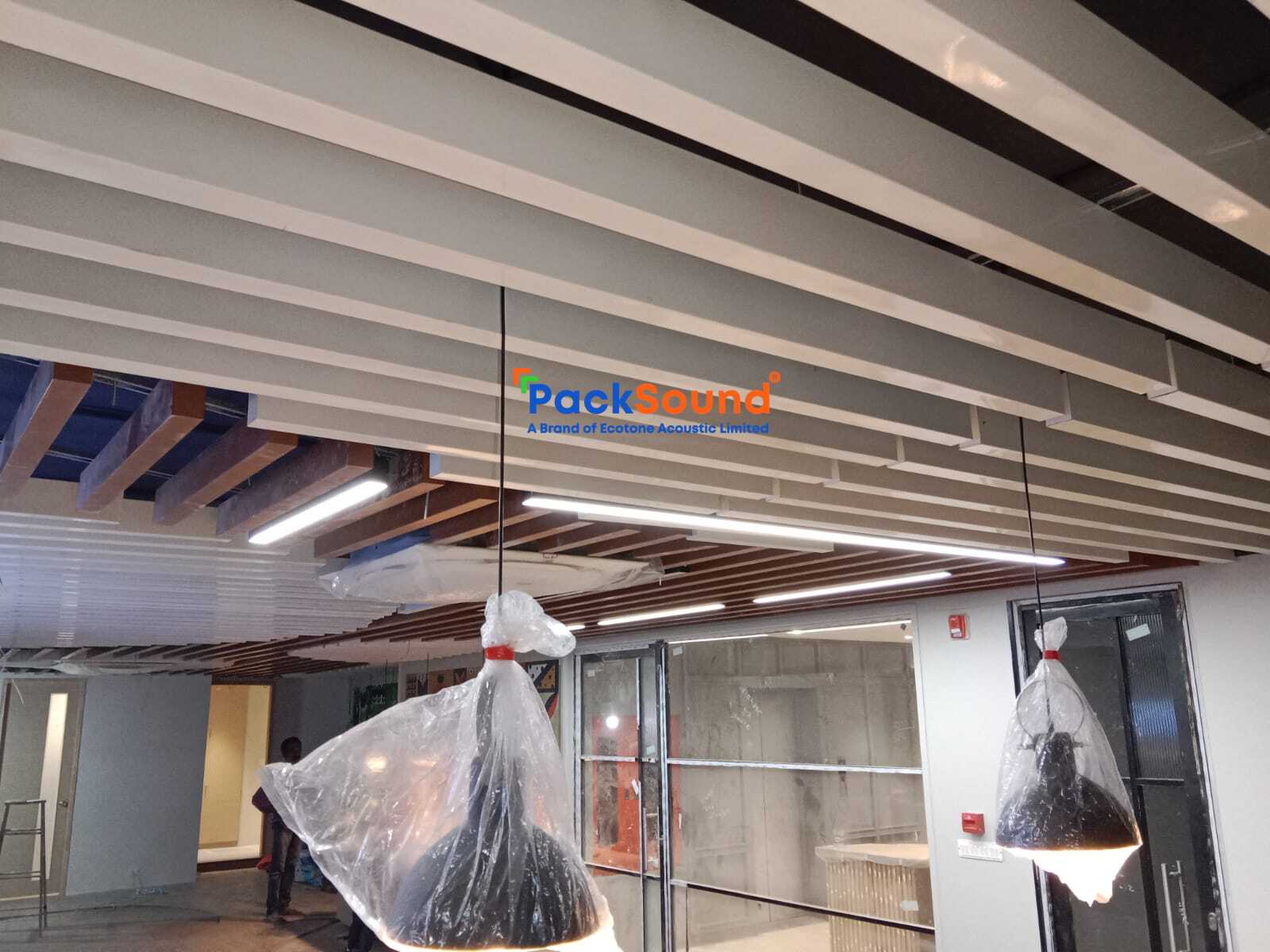
Vertical baffles to break up echo and reverberation in auditoriums with high ceilings.
Enquire NowThe EchoStop® Series leads PackSound’s collection of auditorium acoustic wall panels. These powerful panels control echo with NRC ratings up to 0.9, which means they absorb 90% of sound energy rather than bouncing it back. You can choose from fabric-wrapped, perforated, grooved, and composite finishes to match any interior design while keeping excellent acoustics.
The PerfoAudile® Series provides acoustic ceiling panels for auditorium spaces that enhance speech clarity substantially. Here are the ceiling options:
PackSound’s acoustic materials used in auditorium installations come in different materials to meet varied needs. Their collection has fiberglass panels that are lightweight with excellent absorption, gypsum panels that resist fire with superior performance, eco-friendly PET panels with minimum 60% post-consumer recycled content, and metal panels with acoustic fleece backing.
PackSound’s Grooved Wooden Slat Panels combine luxury looks with excellent mid- to low-frequency absorption. These panels are great for auditorium acoustic treatment. Their Perforated Acoustic Panels use scientifically designed hole patterns to trap and reduce noise through both absorption and diffusion.
The company’s complete auditorium acoustics solutions go beyond just panels. Their professional consultation services help clients customize panels to address specific acoustics of auditorium challenges. This ensures proper placement that maximizes performance and blends with the visual design.
The acoustic quality of an auditorium plays a vital role beyond just looks. It determines how well the space serves its main goal. Auditorium acoustics do more than meet technical needs—they affect how well people communicate, how audiences participate, and the quality of everyone’s experience.
Speech intelligibility stands out as the key marker of effective acoustics in auditorium spaces. Clear speech should reach every seat in a well-designed auditorium. Several technical standards come into play here: speakers need to produce sound levels around 65 dB,A. They also just need 20 dB of extra volume capacity for bursts up to 85 dB,A without distorting the sound.
There’s another reason why acoustic design of auditorium spaces matters – background noise. The ambient sound should stay 20-30 dB below speaker levels, with 25-30 dB,A being ideal in an empty hall. Excess background noise makes listeners work harder to hear, which leaves them tired and disconnected.
Sound reflection management serves as the life-blood of effective acoustics of auditorium design:
Echo problems make speech hard to understand without proper auditorium acoustic panels and treatments. Sound systems have been rated on more than just volume since 1985. Quality systems must achieve 80-85% intelligibility scores in every seat.
An auditorium’s shape and volume affect its reverberation time. The sound should fade within 1 second after the original direct signal to keep speech clear. Different events work better with different acoustic setups—lectures work best with high speech intelligibility, while musical performances need more reverberation for richer tones.
Quality auditorium acoustics make sure every sound reaches the audience clearly, whatever their seat location. Poor acoustic design of auditorium spaces creates muffled speech and distorted music. This leaves audiences struggling to connect with performances.
The right auditorium acoustic panels can revolutionize sound quality in performance spaces. A successful acoustic design of auditorium needs proper treatments on walls, ceilings, and floors. Different surfaces need specific materials to control sound reflections and create balanced auditorium acoustics.
Auditorium acoustic wall panels made of fabric-wrapped materials are the most common choice. These panels blend excellent sound absorption with design flexibility. A sound-absorbing core wrapped in acoustically transparent fabric gives you many color and texture options. Wooden acoustic panels add luxury and function through their slotted, grooved, or perforated designs. They work great for absorbing mid to low-frequency sounds. Foam acoustic panels are an economical solution that reduces sound reflections well, especially for mid to high-frequency sounds. Perforated wood panels combine natural beauty with acoustic performance, making them perfect for high-end auditorium acoustic treatment.
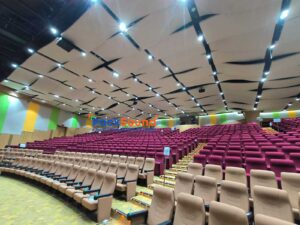
Acoustic ceiling panels for auditorium spaces come in several types. Acoustic clouds are suspended panels that make speech clearer while adding visual appeal. Ceiling baffles hang vertically and absorb sound from many angles. They work best in spaces where wall area is limited. Acoustic ceiling tiles use micro-perforations to provide excellent sound control. These lightweight tiles are easy to install and offer various designs that complement any acoustics of auditorium setting.
Floor treatments complete a detailed auditorium acoustic treatment. Special auditorium carpets reduce echoes and muffle footsteps. These carpets use dense fibers and acoustic backing that stands up to heavy foot traffic. They improve speech clarity while meeting fire safety standards for public spaces. Acoustic flooring for auditorium texture and materials help control sound waves. This reduces unwanted noise reflections that could interfere with clear dialog and sound effects.
Auditorium acoustic panels solve significant sound challenges that impact audience experiences. Sound waves act differently in large performance spaces compared to smaller rooms. This creates unique acoustic challenges that need specialized solutions. Acoustics in auditorium settings must tackle several common issues to deliver the best sound quality.
Sound that lingers after its source stops – called reverberation – creates the biggest challenge for good auditorium acoustics. The sound becomes unclear and musical performances lose their clarity in spaces without proper treatment. Different spaces need specific reverberation times:
Acoustic materials used in auditorium spaces transform sound energy into heat and reduce unwanted echoes. Sound waves bounce endlessly between parallel surfaces and create chaos for listeners without proper auditorium acoustic treatment.
Acoustics of auditorium spaces often struggle with speech clarity. Low-frequency sounds mask the higher frequencies that we need to understand speech clearly. Auditorium acoustic wall panels absorb these troublesome frequencies strategically and make words crisp and distinct.
External and internal noise sources like nearby classrooms, control booths, and mechanical systems can disrupt performances. Acoustic panels for auditorium walls provide vital sound isolation that keeps unwanted noise out while containing the desired sound.
Each frequency range needs specific treatment to achieve optimal acoustic design of auditorium spaces. Bass frequencies pose unique challenges that often need specialized corner bass traps. Acoustic ceiling panels for auditorium spaces help create balanced frequency response and prevent standing waves that would otherwise create uneven sound distribution throughout the venue.
Material selection plays a vital role in determining the sound quality and performance of auditorium acoustic panels. High-quality materials improve acoustics in auditorium environments and provide esthetic versatility with essential safety features for public spaces.
Glass wool panels are a great choice for auditorium acoustic treatment because of their exceptional sound absorption properties. These lightweight panels are made from fine glass fibers and deliver superior noise reduction with thermal insulation. Glass wool consistently maintains high absorption coefficients at different frequencies, which makes it perfect for acoustics of auditorium applications where balanced sound is vital.
Rockwool (mineral wool) panels stand out for their remarkable fire resistance and can withstand temperatures up to 1,177°C. Sound waves get trapped effectively by the random fiber orientation in this stone-based material, which helps dampen vibration. The material’s natural water-repellent and vapor-permeable properties help resist mold growth.
PET acoustic panels give architects an eco-friendly option for auditorium acoustics. These panels are made from recycled plastic bottles and achieve high sound absorption with NRC ratings up to 0.9. PET panels are lightweight, flexible, and resistant to humidity. Designers can customize them extensively to meet specific requirements.
Wooden acoustic panels blend luxury with functionality through their slotted, perforated, or grooved designs. These panels are precision-cut using CNC technology and typically achieve NRC levels above 0.65. Designers can choose from various finishes to enhance both acoustic performance and esthetics of auditorium acoustic ceiling design.
Fabric-wrapped acoustic panels consist of fiberglass or rockwool cores covered with acoustically transparent textiles. The NRC ratings of these versatile panels range from 0.75-1.15, depending on thickness and mounting. Packsound fabric panels use 25mm thick fiberglass substrate with fire-resistant coverings that deliver minimum sound absorption of 0.90 NRC.
The Noise Reduction Coefficient (NRC) measures how efficiently a material absorbs sound on a scale from 0 to 1. A rating of 0 means complete reflection, while 1 indicates total absorption. Materials rated above 0.7 NRC work well for acoustic materials used in auditorium applications.
Fire resistance is a critical safety requirement for auditorium acoustics. Quality panels must meet Class A or B fire ratings through rigorous testing standards like ASTM E84. These ratings ensure occupant safety by preventing panels from spreading flames during emergencies while maintaining acoustic performance in acoustic design of auditorium projects.
The path to exceptional auditorium acoustics starts with mastering fundamental design principles. Several interconnected elements work together in the science of acoustic design of auditorium spaces. These elements create ideal listening conditions.
The life-blood of effective acoustics in auditorium environments lies in proper reverberation time. Different spaces need different reverberation times. Speech-focused spaces work best with 1.0-1.5 seconds. Multipurpose venues need 1.5-2.0 seconds. Concert halls sound best with 2.0-2.3 seconds. Room geometry plays a crucial role in sound distribution. Fan-shaped designs with angled surfaces work better than parallel walls and flat ceilings that create flutter echoes.
Sound absorption and diffusion complement each other perfectly. Auditorium acoustic panels placed strategically help control unwanted reflections. This setup preserves beneficial early reflections that improve speech clarity. Smart site selection reduces external noise. Background noise levels should ideally stay between 25-30 dB,A.
Superior acoustics of auditorium depends on these key principles:
Musical halls need more volume per person, ranging from 3.5-5.5m³. This range ensures optimal acoustic performance.
A complete auditorium acoustic treatment uses multiple strategies to create optimal sound environments. Auditorium acoustics mainly depend on balancing absorption and diffusion to control sound reflections. Sound energy converts to heat through absorption, which reduces reverberation and improves clarity for speech and performances. Sound waves disperse through diffusion to prevent slap-back echo between parallel surfaces.
Acoustic materials used in auditorium spaces need strategic placement to work best. Wall areas at first reflection points need immediate attention, and rear walls often create troublesome echoes that need treatment. Bass frequencies build up in corners, making these spots perfect for specialized absorption. Ceiling treatments become crucial components of auditorium acoustic treatment when wall space is limited.
Modern acoustic panels for auditorium installations blend technical and visual elements seamlessly. Fabric-wrapped panels come in various colors and patterns that allow design customization while maintaining acoustic performance. Custom-printed artwork panels serve both functional and esthetic purposes.
The best acoustics in auditorium spaces meet different needs based on their use. Speech venues need shorter reverberation times (1.0-1.5 seconds) compared to musical performance spaces (2.0-2.3 seconds). All the same, successful auditorium acoustic ceiling design projects start with a full acoustic analysis to spot problem areas before implementing custom solutions.
Professional installation methods play a vital role in making auditorium acoustic panels work. PackSound takes an integrated approach that will give a perfect balance of acoustics in auditorium spaces. Their structured installation process blends technical precision with visual appeal.
PackSound’s acoustical engineers start with a full picture to determine what auditorium acoustic treatment each space needs. Their team uses advanced tools to spot room-specific challenges by measuring standing waves and reflection patterns. This scientific method creates detailed acoustic maps that show key reflection points across the space. The analysis looks at room size, speaker setup, and seating layout to build a clear picture of your acoustic design of auditorium needs.
The right positioning of auditorium acoustic panels helps them work better. PackSound’s typical setup has:
The panels should cover 20–30% of reflective surfaces to make a real difference in acoustics of auditorium. This smart approach spreads sound evenly without creating dead zones.
PackSound’s focus goes beyond just sound performance when installing acoustic materials used in auditorium spaces. Their custom process matches panels to frequency issues, fabric choices, and uses precise CNC cutting for exact fits. Regular products arrive in 7–15 days, while custom acoustic panels for auditorium take 3–6 weeks with full testing. This careful attention creates auditorium acoustics that sound great and look perfect.
Buyers need to weigh both upfront costs and lasting benefits when choosing auditorium acoustic panels. Material selection, installation needs, and project size affect prices by a lot as you work toward perfect acoustics in auditorium spaces.
Quality auditorium acoustic panels come at different price points:
Projects using acoustic materials used in auditorium spaces usually need at least 100 square feet. Price doesn’t always relate directly to performance, and some budget-friendly options absorb sound really well.
Simple installations of auditorium acoustic treatment services cost between ₹350-450 per square foot. Detailed solutions with testing and custom designs can reach ₹3,500-10,000 per square foot. Mounting methods, ceiling height, and access to work areas drive installation costs.
Acoustic panels for auditorium spaces last 10-20 years with good care. Polyester panels handle moisture, UV light, and temperature changes really well. Some materials cost more at first but give you better value because they last longer and keep their sound-blocking properties.
RT60 measurement plays a fundamental role in auditorium acoustics and speech clarity. Sound decay measurement by 60 decibels after the source stops will give a critical metric to evaluate sound behavior within your auditorium acoustic environment. This measurement impacts every aspect of the listening experience, from speech intelligibility to musical warmth.
Your space’s speech clarity deteriorates with inappropriate RT60 values. The optimal acoustic design of auditorium spaces that focus on speech requires RT60 values between 0.8-1.1 seconds. Multipurpose venues need 1.0-1.5 seconds, while musical performances work better with longer times of 1.5-2.0 seconds. Long reverberation creates muddy and unintelligible sound. RT60 values below 0.3 seconds make your space feel acoustically lifeless.
The RT60 calculation formula (0.16 × Room Volume/Total Absorption) demonstrates why auditorium acoustic panels significantly influence speech clarity. Strategic installation of acoustic materials used in auditorium spaces helps fine-tune RT60 values to meet specific requirements. Lecture theaters benefit from enhanced early reflections that arrive within 35-40ms to reinforce speech, while controlling later reflections prevents masking effects.
RT60 understanding helps your auditorium acoustic treatment support its intended purpose and creates the perfect balance between clarity and acoustic warmth.
An auditorium’s size determines its acoustic requirements. Auditorium acoustic panels work differently based on venue dimensions, which leads to distinct planning approaches for small and large spaces.
Designers face unique challenges when working with small auditoriums’ acoustics of auditorium design. These intimate spaces often have shorter reverberation times that make rooms sound acoustically “dead” without proper treatment. Small rooms show non-diffuse low frequencies and sparse modal distribution below the Schroeder frequency, which creates uneven frequency response. Many people might assume otherwise, but smaller venues need careful acoustic materials used in auditorium installations because their compact dimensions magnify standing wave issues.
Large auditorium acoustic design follows different principles. The natural properties of larger halls allow low frequencies to fully elongate and dissipate energy. Sound distribution becomes the main challenge as designers must ensure adequate volume reaches every seat without excessive reverberation. Musical performance halls need 5.5m³ per person, while general venues work well with 3.5m³.
Venue size and purpose determine reverberation time targets:
These fundamental size differences shape the auditorium acoustic treatment strategy needed to create optimal sound experiences.
Auditorium acoustics treatment refers to the study and design of sound properties within an auditorium or concert hall. It involves understanding and manipulating sound waves to create optimal listening conditions for the audience and performers.
The primary goal of auditorium acoustics is to ensure that sound produced on the stage or from other sources reaches the listeners clearly, intelligibly, and with the desired tonal qualities. This involves considering various factors, such as sound reflection, absorption, diffusion, and reverberation.
Auditorium Acoustic Treatment’s goal is to control sound waves’ behavior by minimizing undesired reflections, echoes, and reverberation while enhancing the desired sound qualities. By manipulating the acoustic properties of the space, such as the materials used for walls, ceilings, and floors, as well as the arrangement of seating and stage, it is possible to shape the sound field and achieve a balanced and pleasing acoustic environment. Soundproofing in an auditorium depends on the overall shape, size, and dimensions of the auditorium.
Auditorium design and consultancy involves the planning and creation of spaces intended for large gatherings, such as theaters, concert halls, and lecture halls. This process combines architectural expertise, acoustic engineering, and interior design to create environments that optimize sound quality, sightlines, and audience comfort. Consultants work closely with clients to understand their specific needs, whether it’s for educational, cultural, or corporate purposes. They consider seating arrangements, stage design, lighting, and audiovisual technology to ensure the space is functional and aesthetically pleasing.
Packsound provides Auditorium Acoustic Treatment / Soundproofing in Auditorium for making the auditorium free from unwanted reverberation.
Features :-
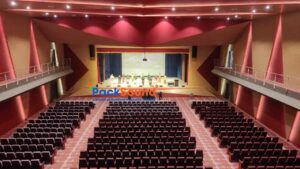
To enhance the sound quality within your auditorium, the primary objective is to ensure that every individual, regardless of their seating location, experiences exceptional sound quality. The fan-shaped design of many auditoriums is intentionally crafted to counteract standing sound waves by incorporating non-parallel surfaces. This configuration facilitates an even dispersion of sound waves throughout the seated audience.
However, if the sound becomes distorted due to echoes within the room, the audience will encounter difficulties in comprehending the proceedings on stage. Blurred sound signals undermine the user-friendliness of the space. By strategically placing acoustic materials, such as acoustic panels, on the perimeter walls or ceiling surfaces of the auditorium, it becomes possible to mitigate background noise. These panels effectively capture and absorb echoes, leading to the restoration of greater clarity and the original sound quality. Consequently, the room reverts to offering premium sound quality, leaving the audience, performers, speakers, musicians, and artists on stage appreciative of the enhanced experience.
Obtain the cubic footage of your space by measuring its length, width, and height.
Use the provided button to submit the dimensions of your room for analysis.
We will prepare a comprehensive treatment plan based on your room analysis and provide you with a detailed quote for your approval.
Sit back and relax as our experienced team takes care of the installation process.
Customized Solutions: Packsound’s team of experts conducts a thorough analysis of your auditorium, considering factors like room dimensions and sound characteristics, to provide tailored acoustic treatments that maximize sound quality and optimize the acoustics of your space.
Exceptional Performance: With advanced technology and high-quality materials, Packsound’s acoustic treatments effectively control sound reflections, minimize echo, and enhance speech intelligibility, creating a superior acoustic environment for an immersive experience.
Durability and Reliability: Packsound’s acoustic products are built to last, ensuring long-term performance and durability, even in demanding auditorium settings.
Outstanding Customer Service: The Packsound team is dedicated to providing excellent customer service, offering comprehensive guidance and support throughout the process, from initial consultation to installation, to ensure a seamless and satisfying experience.
A systematic approach reshapes problematic spaces into perfect listening environments when you implement auditorium acoustic treatment. Professional acoustics in auditorium solutions need a well-laid-out plan instead of randomly placing panels.
The solution comes together in four key phases. Your first step needs a full picture that spots acoustic issues by measuring cubic footage and analyzing how sound bounces around. The second phase creates detailed plans to pick the right acoustic materials used in auditorium spaces that fix these issues. Next, you’ll choose the best products—fabric panels, ceiling rafts, or custom solutions—that work for your specific auditorium acoustics needs. The final phase puts these elements in spots that affect sound quality the most.
The right coverage makes all the difference, but you won’t need to cover every surface. Expert recommendations suggest using auditorium acoustic panels on about 20-30% of your total wall and ceiling surface area. This balanced approach handles sound waves without creating a lifeless acoustic space.
Panel placement can reshape the scene completely. Your acoustic design of auditorium should have panels spread evenly, with focus on hard surfaces across from the stage where sound bounces cause issues. Corner spots and ceiling areas need extra attention as they add by a lot to sound build-up and echo. Your auditorium acoustic wall panels will work best when you follow manufacturer installation guidelines precisely.
PackSuound leads the auditorium acoustics industry with their complete consulting services for performance venues. Their auditorium acoustic panels blend scientific analysis with esthetic sensibility. This creates spaces where audiences hear every spoken word and musical note with crystal clarity.
PackSuound’s acoustics of auditorium treatments go beyond standard solutions. They start with complete computer modeling that shows sound behavior before installation. This predictive technology will give optimal acoustic design of auditorium spaces by finding problem areas that traditional methods might miss.
The company’s portfolio has proprietary acoustic materials used in auditorium environments that exceed industry standards. Their signature quality auditorium acoustic wall panels employ variable density absorption layers. These panels manage frequencies throughout the audible spectrum—an area where conventional panels don’t work very well.
PackSuound’s acoustic ceiling panels for auditorium spaces blend naturally with existing architecture. The ceiling systems work together with wall treatments to create balanced auditorium acoustic treatment throughout the venue.
PackSuound stands out because of their complete approach to auditorium acoustics. Clients receive extensive support from the original consultation through design, manufacturing, installation and final testing. The company’s auditorium acoustics consultant team focuses on creating environments where acoustics improve the audience experience.
Auditorium acoustic panels control sound quality in performance spaces. These panels use sound-absorbing materials like foam, fiberglass, or fabric-wrapped composites inside wooden frames. The sound quality in auditoriums relies on these panels to create balanced, clear sound that reaches every listener.
Auditorium acoustic panels solve sound management challenges in large spaces. The panels absorb sound waves instead of letting them bounce off hard surfaces. This process turns sound energy into tiny amounts of heat and reduces unwanted echoes that would make the listening experience unclear.
Acoustic materials used in auditorium construction come in many forms. Glass wool, rockwool, fabric-wrapped panels, and wooden slats each have unique sound absorption properties. These materials let designers customize the acoustics of auditorium based on specific needs.
Auditorium acoustic wall panels control sound reflections in large spaces. These panels create several benefits:
Proper placement of acoustic panels for auditorium walls and ceilings makes a big difference. Installers put panels on side walls, back walls, and ceilings where sound reflections cause the most problems. Acoustic ceiling panels for auditorium spaces like clouds, baffles, or direct mount tiles help absorb sound in venues with high ceilings.
Modern auditorium acoustic treatment options look good too. The panels come in different colors, shapes, and fabric finishes that match the room’s design while managing sound effectively.
Acoustic panels in auditoriums improve sound clarity, reduce echo and reverberation, enhance speech intelligibility, and create a balanced sound distribution throughout the space. They can significantly improve the overall listening experience for audiences.
Experts recommend treating approximately 20-30% of the total wall and ceiling surface area with acoustic panels. This balanced approach effectively manages sound waves without creating an acoustically “dead” environment.
The ideal reverberation time varies based on the auditorium’s purpose. Speech-focused spaces need 1.0-1.5 seconds, multipurpose venues require 1.5-2.0 seconds, and concert halls benefit from 2.0-2.3 seconds of reverberation time.
Common materials for auditorium acoustic panels include glass wool, rockwool, PET (recycled plastic), wooden slats, and fabric-wrapped panels. Each material offers different sound absorption properties and esthetic possibilities to suit various acoustic and design needs.
Quality acoustic panels for auditoriums generally have a lifespan of 10-20 years with proper maintenance. Some materials, like polyester panels, offer excellent durability through resistance to moisture, UV exposure, and temperature fluctuations, potentially providing better long-term value.